EXCERPTS FROM
Once in a Lifetime
Ronnie
Ronnie
Ronnie sat stock still. Had he glanced in a mirror, he would have seen a look of utter incomprehension on his face, with a dash of incredulity thrown in. For a moment, he was entirely lost in the confusion of it all, mind struggling to process what had just happened. His thoughts were interrupted when he noticed the uncomfortable dampness at the front of his jeans. A sudden wave of shame passed over him as he realised, almost in disbelief, that he had wet himself. Only moments before, he’d been staring at the back of the Ford in front, which, like his own car, was crammed with boxes and bags. He found himself wondering about the people in that Ford, were they, too, setting off on an exciting new adventure, filled with hope and anticipation? Or had their journey, like his, taken an abrupt turn into confusion and embarrassment, leaving them just as shaken and uncertain?
Were they also escaping a life that was, at best, subsistence? Were they heading to a land of milk and honey, where the streets were paved with gold?
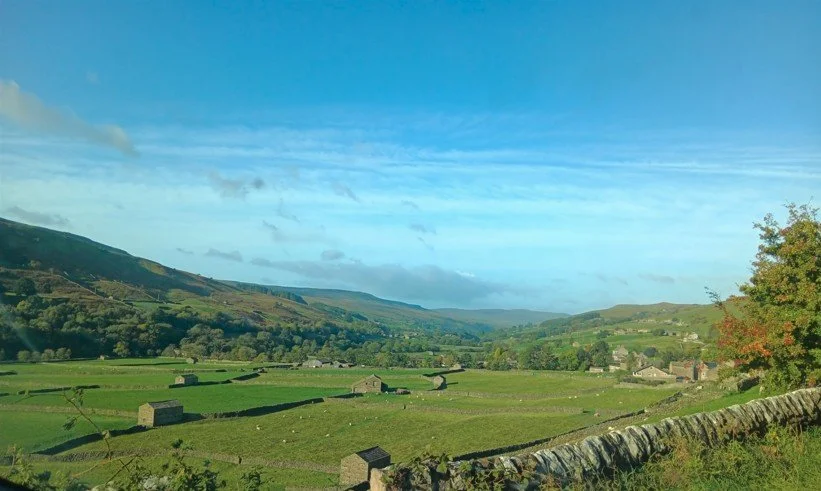
For Ronnie, it was a new job as a graphic designer in London. He hoped it might finally deliver the excitement, recognition, and perhaps even the fortune that had always felt just out of reach. The ache of leaving his family was still raw, a dull, steady throb that would follow him south. He could still almost smell the damp earth of the farmyard, the scent that clung to his coat and skin, stubborn as the mud on his boots that would still be by the back door. Echoes of his mother's voice calling him in for supper replayed in his mind, as vivid as if he were still standing at the kitchen door. The Dales uniform, a battered flat cap, had been left purposefully behind on his bed at the centuries-old family farm, a small act of defiance or maybe hope. He had mentally tipped his cap to his fellow escapees, wherever they might be on their journeys.
As these thoughts swirled in his mind, he barely noticed the rumble beneath his feet, until suddenly, the world turned upside down.
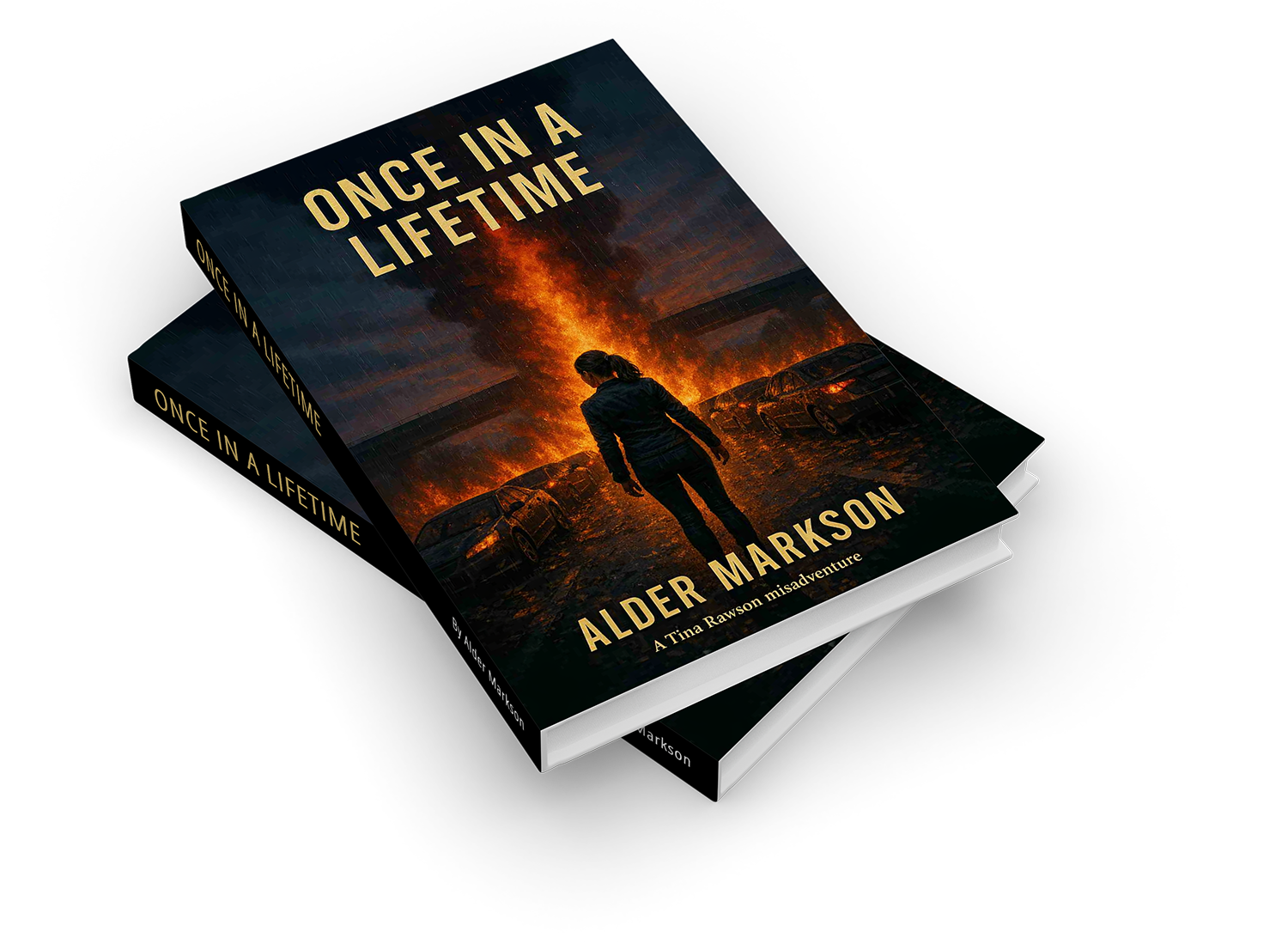
In what had felt like an instant the Fiesta did a spectacular action movie back flip, straight over the roof of his Golf. Ronnie was sure he had felt the front of the VW lift slightly, but he had no explanation as to the unexpected actions of the Fiesta. Until that is he had seen the devastation in front of him in the space where the Fiesta had been until a few seconds ago, and yet he still couldn’t fathom it, it wouldn’t compute. It looked as if Satan had decided to open his fiery pit of Hell to the visiting masses while they were in the middle of a motorway in Yorkshire.
Then the disbelief and a dose of relief kicked in, that Fiesta could have been him: the car in front had essentially taken the blast. But at what cost? He could see the Fiesta in his rearview mirror lying upside down and straddled over the low Armco fence in the central reservation. A cold sweat prickled at his neck as he forced himself not to imagine the faces, the sudden silence, the lives forever changed by the last few seconds. It had landed perfectly across its roof, Ronnie didn’t want to contemplate the carnage inside, as the Fiesta was buckled in places that the designers probably hadn’t the foresight or budget to strengthen against impact, certainly not for impacts as catastrophic as this one.
By some inexplicable twist of fate, Ronnie’s luck seemed to be operating on a whole new level. He glanced down, noticing his jeans, damp and uncomfortable, but reassured himself that they would dry in time. “It’s not the end of the world,” he thought. “No one else needs to know I’ve pissed myself.” The knowledge was embarrassing, but it was a secret he could live with. What mattered most was that he was still alive, breathing in the smoky air and feeling the wet seat beneath him.
Around him, the chaos was almost surreal: flames flickered in the near foreground and in the distance, casting flickering shadows on the faces he could see, ones filled with shock and disbelief. The acrid scent of burning fuel hung heavy, mixing with the metallic tang of rain-soaked tarmac. Ronnie hugged his arms to himself, feeling rough fabric against his skin. He told himself, “I’m lucky. I made it out. Others weren’t so fortunate.” The thought sent a shiver down his spine, and he tried not to dwell on what horrors might be unfolding just yards away. The rawness of survival was both a comfort and a curse, and he promised himself quietly that he would make the most of what seemed to be a second chance.
His instinct told him to get out. The awareness that the flames in the other cars and vans could spread, or, even worse, things might start to explode, pressed in on him. It took real effort to leave the piece of German engineering that had just saved his life, but he forced himself to make the decision. He grabbed his phone and a jacket, leaving the rest of his belongings behind to trust in the gods who watched over Volkswagens.
Lev’s escape
The surprise Lev had felt earlier when he acknowledged he might possess a conscience was now mirrored by someone shooting him. Yes, he had been threatened with it before, on one occasion someone had shot in his general direction. Normality would have had him doing the shooting, but he now knew how all those he had shot must have felt. Those professionally and recently criminally he had inflicted gun damage on. Well now he knew. It was surprising at first but now that the surprise had worn off it just hurt like a bastard.
Running was a strange thing. The sound he could hear most was the sound of his feet slapping on the pavement. His shoes to be precise. The strange slap, slap of his now very second-hand looking trainers. The left sole making a slightly different sound, it was coming away so it was more of a slight double slap. It was strange he had not noticed that before because it was bloody annoying. Although at this particular moment thinking of getting some new trainers was not a high priority.
If anyone was asked, they would know me by that sound, he thought, they would know me from the sound of my shoes. I may look like everyone else in this street, but the retort of my feet removes my anonymity, it marked him out as different, as did the running. But Lev knew running was what had saved him on this occasion, well saved most of him in any case. By running he had created a blur of sights and a muting of sound, only his own heart beating and the slap of his shoes kept him company. The blur of passing cars flashed in his eyes, occasionally taking time to horn their displeasure in his direction, when he desired to cross their paths. The awkwardness of having a bloodied and damaged arm was causing his arms to come up unevenly in front of his body, reaching from somewhere and going nowhere, an asynchronous pumping action that Lev viewed as separate from him, as much as if his arms were separate from each other. It was useless to notice these things. It was as if a car had crashed, the driver was dead, and the song on the radio carried on playing just for him. His own personal fugue.
A voice came from his right, a voice with a baseball cap on. He thought he knew that voice, that must be why he heard it. He had picked it up like someone speaking Japanese at a party in his homeland. Why it had penetrated the aural fog he was existing in. It said, “What’s your hurry pal?” He could not tear himself away from that black NYC cap. Lev had seen it before. Hadn’t he? The hat, it did not live with that voice, or the other way round. It was the hat he had heard not the voice.
Running was now a dangerous thing. It was an electronic billboard advertising panic, a neon sign spelling guilt, a big flashing arrow, saying ‘here he is.’ Walking was safe. You could wear strolling like a mask. Stroll. Strollers are normal. Lev in his newly induced state, that may have been blood loss, slowly decreased his speed, and began to amble, careful to keep what remaining senses he had left on full alert. Having discounted one hat, he could not be taken by surprise by another one.
The strangest thing was there had been no warning. He was not wearing the same clothes; he had not maintained the same routine since the events of last week. Bloody hell, was it only last week? He had no choice; it had been this way for so long, he always acted carefully, he had to. He just had to. The simple rule. The one that was fundamental to survival. Usually learnt like many lessons, the hard way. Always act with care and if possible, a hint of trepidation. There had been that mistake about his change at the burger place. Perhaps he should have taken that as a sign. Half an hour before it, he would have laughed at this thought. Then your hands were an ambush. They betrayed you. It happened so quickly. Your hands, that lifted cups and held coins and waved, were suddenly a riot, a brief raging. The consequence was forever. That simple error of dropping his change and then being distracted, by fries of all things, as he ambled across to Chris. Chris, for God’s sake Chris, he was simple, but he did not deserve that. Then again nobody last week had either. Here was that conscience again. Was that why he had taken his eye off the ball when ambling across, only his instinct and training keeping him from being a bloody, holed, mess like Chris. Sorry Chris, sorry I dragged you into this.
The meaning of everything had changed. It had either no meaning or too many meanings, all of them mysterious or so camouflaged to be rendered invisible. His body he felt was a strange new place. He was hurt, he was now afraid, he knew his only option was his last one. The message that Chris had delivered by his involuntary splattering across his dashboard was abundantly clear. Lev knew he had to stay alive long enough to get to the police, that was only hope of staying alive. Even if he did not deserve it. Inside somewhere, he could almost see all the hiding places, the dark corners. Out of these places the creatures that used to run him and dictate his life were now cowering in their black burrows. They had come from nowhere originally and now they had returned where he could not find them, they were now invisible.
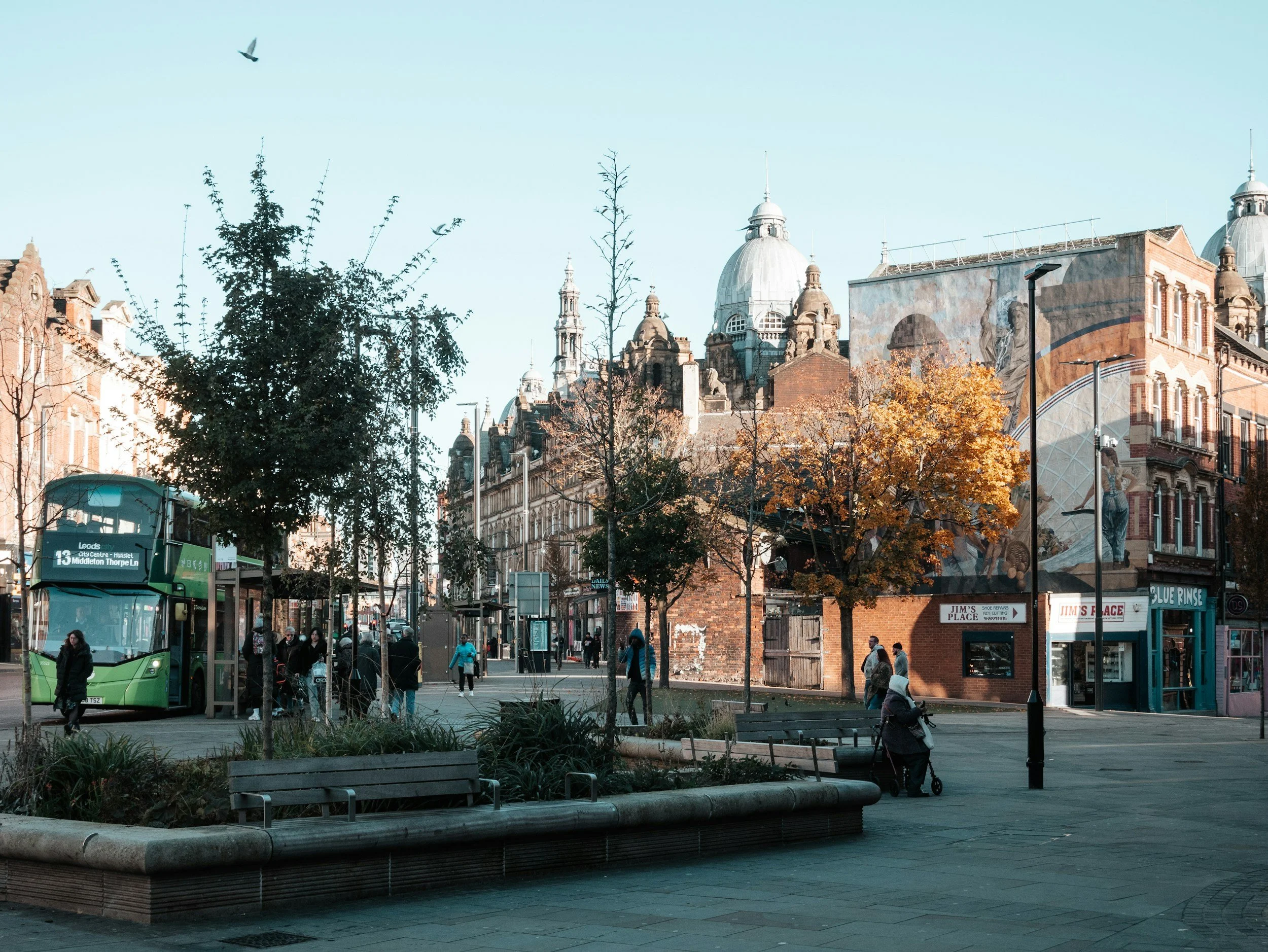
He had to get himself somewhere deeply shadowed, now, until the dark descended and he could creep away to admit his guilt and defeat. But there was nowhere that Lev knew about, not even this place where he had come to stand among people, as if he were a normal person. Lev could see who people thought was him in the reflection of a shop window glass. His hair was black, his eyes were brown, his mouth was open not screaming, only breathing. He hated his new weakness. He thought he could see all of his ugliness, the hideousness of soul that had marked him all his life. Until now, until he had heard that voice. There was a green bottle in the window, with an enormous plant inside it. This plant could be his conscience coming out of the empty vessel that was his soul. The window caught a flash of a brief sun, revealing cloudy streaks where the wiping of a cloth had dried on the glass. He was tuning into the voices around him, as he knew that he would once the running had stopped. Acting like a radar for that voice or that NY cap.
Just After
Just after
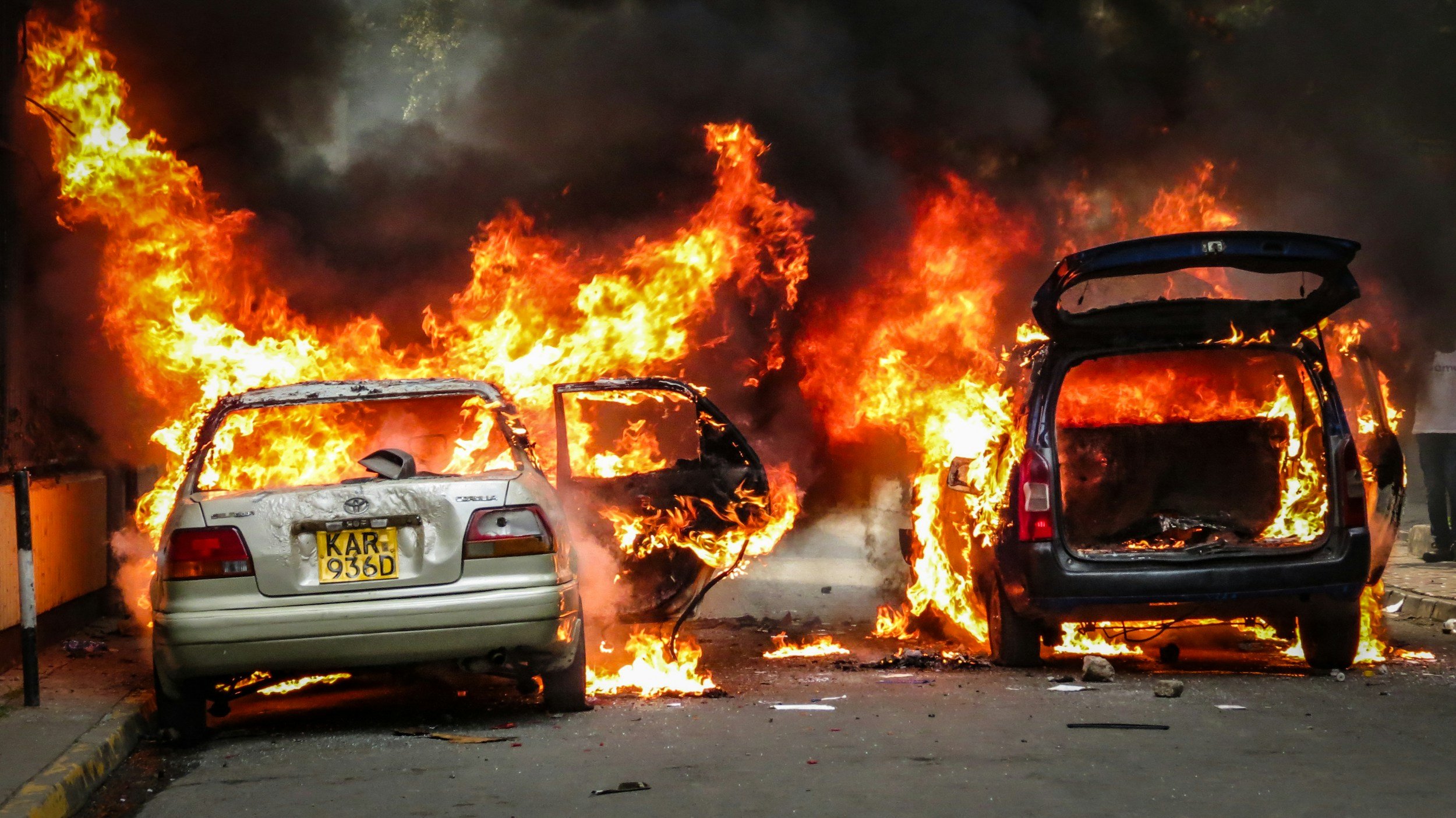
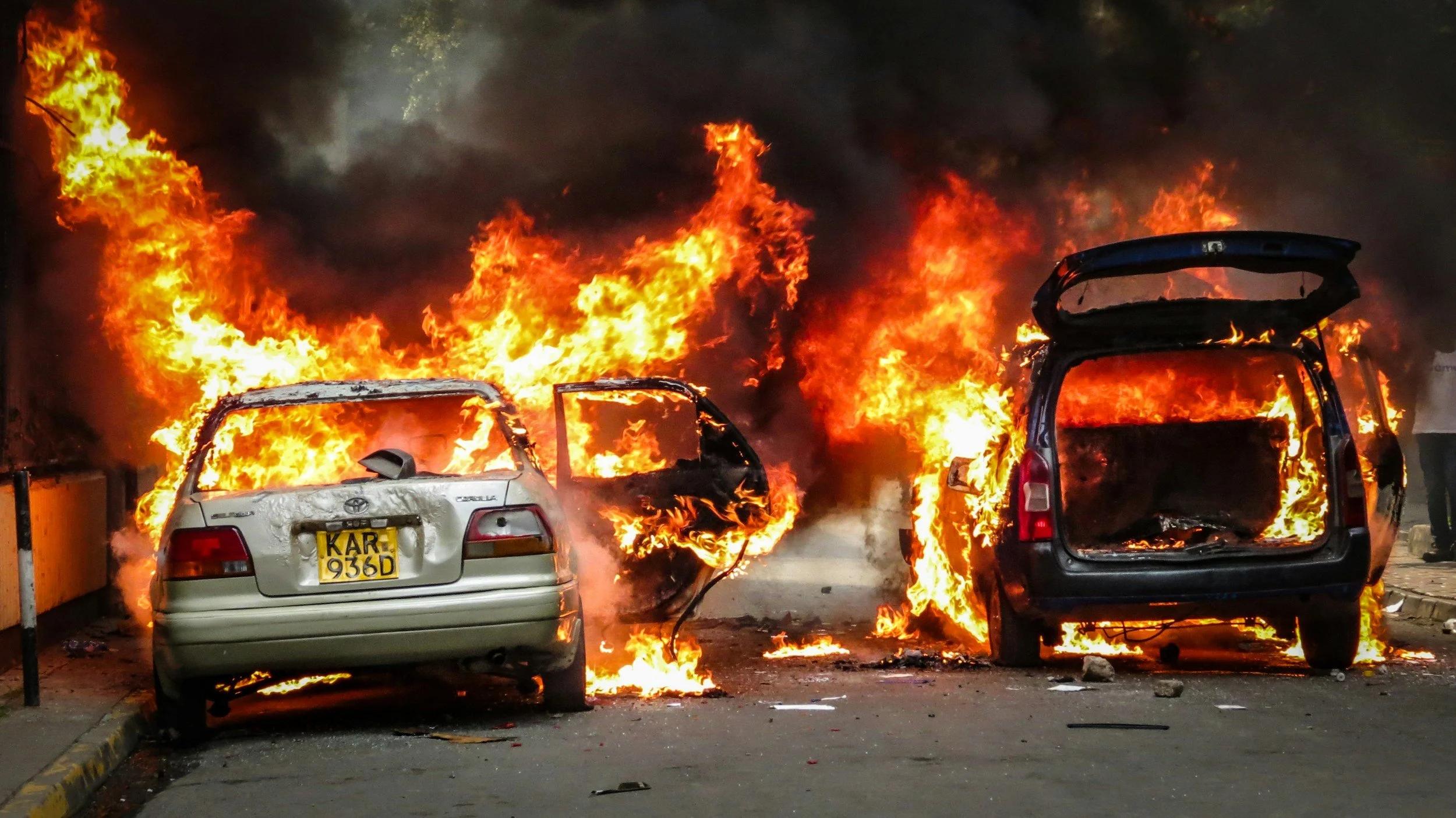
The ultraviolent echoes of the alarmingly brief explosion faded slowly, like lingering waves on a turning tide. The final traces retreated, leaving only the barest hint of vibration in the air, soundless, yet almost tangible. A silence began to fall, but it was not profound. Its presence was fleeting, measured in mere moments, yet its legacy would last for generations. One last echo slipped away into the gloomy, damp October dusk. Then a new barrage of harsh sounds began: a pressurised pop from an overheated tyre as it burst apart, and the soft thump of fuel igniting in patches around the devastation that had once been an irritating, yet normal, piece of congestion on a Yorkshire motorway.
The modern mechanical sonata was replaced by something more primal and animalistic. Screams and yells of the injured and dying mingled with the shouts and wails of those spared, saved, perhaps, by some quirk of whatever gods they believed in. As chaos unfolded, the cries of survivors formed a strange symphony: no longer one of relief, but an anthemic operatic aria reflecting a new kind of hell. Three minutes have elapsed since the explosion, but time has not stood still; instead, it creeps relentlessly across the land, reminding this newly formed world that things will always move on. There would be no time slip, though, nothing to disturb the scene, only more distress for those left behind. Time may not have stopped, but for those present, it revealed that they were caught in a particularly malignant game of statues, not the innocent kind remembered from childhood. Frozen faces streaked with dust, blood and tears stood motionless amid the destruction; each person trapped in their own private nightmare.
What had been a varied, yet ordinary, collection of vehicles on a busy motorway, some prized, some not so much, was now a burning, twisted landscape. Twisted metal carcasses crowded the motorway, while luckier vehicles showed only minor scars. Dents, missing panels, and smashed glass accompanied by flames stood in stark contrast to the ruined remains that would never appear in any catalogue or glitzy showroom again. Among the wreckage, abandoned belongings hinted at stories abruptly ended, making the devastation feel all the more personal. It seemed almost miraculous that some vehicles had escaped completely. A slight scorch, a burst tyre, a cracked headlight, or a dented panel were the only marks distinguishing their place in this chaotic endgame, a journey now leading down an infernal path towards a new nihilism.
The cause of the fury at the centre had removed most of the plain, rusty white van it had been contained in, a vehicle occasionally noticed and contemplated by fellow travellers but eventually ignored. Its contents, likely the cause of the catastrophe, were now nothing more than scattered debris.
Some vehicles at the epicentre experienced severe damage. These were the ones that were burning most intensely, providing the illumination in the increasingly dark autumnal environment. A constant fuel supply producing an intensity that even a modern Dante might envision. Those that had been the occupants of these vehicles were now frozen in place, locked in the firm embrace of the inferno raging around them, if they could have shown shock then they would have done so. They, however, wore the rictus grins similar to a mummified corpse as it is pulled from its boggy resting place by an archaeologist in Norfolk. It was as if they were laughing at the absurdity of this unimagined development. The rain that had intensified was only adding to the misery, yet making no impact upon the flames, almost as if it were fuelling them such was the ferocity at the centre.
The encroaching darkness of the October evening tried valiantly to push back the new blaze of light but eventually settled into uneasy neutrality. The darkness resented this unexpected intruder in its domain, but the fierce new artificial light kept its hostility at bay. The darkness paused, sensing a kinship with the deadly flames, as if acknowledging a fellow force of nature. For now, night was forced to retreat, biding its time with ageless patience, knowing it would one day reclaim its dominion.
The first survivors began to emerge, stumbling into view as if forced into motion by the searing heat. These people moved with a vacant, jerky rhythm, resembling malfunctioning automatons, oblivious to the dangers still smouldering around them. They passed shapes on the ground, remnants of those who may once have been like them. Now, these figures were identifiable only by their shoes. The rest of their features had become indistinguishable, fused and masked by the scorched tarmac, leaving only faint traces of their humanity behind.
A surface that had given up any recent semblance of smoothness was now humped and moulded into bizarre and peculiar patterns. The heat and force at the centre had reordered this stretch of road, this little part of Yorkshire. A landscape used to the ravages of industry and the natural erosion of its famed weather, had now been riven, its very fabric scarred in a few violent seconds.
Nobody at the scene and those that came to their aid, or those who helped afterwards to clear it all away, could imagine that this piece of the famous God’s own county would not bear its scars for ever. But would it be as with the wounds on another part of motorway further south and its aeroplane shaped tragedy, that the mutilations would no longer be visible. The drivers who now may pass comment as they drive past Kegworth, if they remember, but most don’t
Chaos has a new face.
The dust has not settled; the echoes of the last few minutes are still reverberating across the scene. Chaos has been introduced into what was a very normal if infuriating day on a British motorway. Questions need to be asked, was this by accident or design.
For the minute this doesn’t concern Tina Rawson, she has found herself in the centre of a fresh hell and has decisions to make.
Time will not stand still and those that know more about this will come together to shine a light into the new darkness that has been thrust onto an unsuspecting but not wholly innocent public.
Will she and they find the answers, do they even want the answers?